- water usage
- bathroom
- plumbing
- water saving
Bath vs Shower: Water Usage, Costs and Drainage Impact
How much water does a bath vs shower actually use? The answer affects your water bill, drainage load and heating costs. The data, costs and what it means.
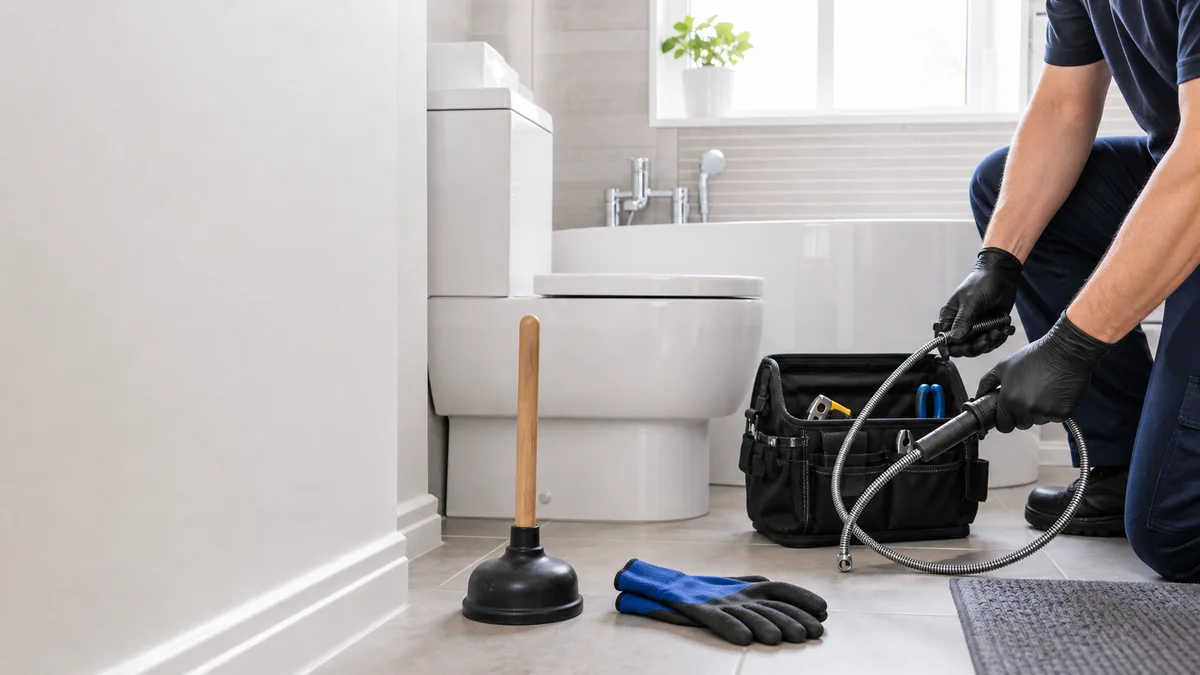
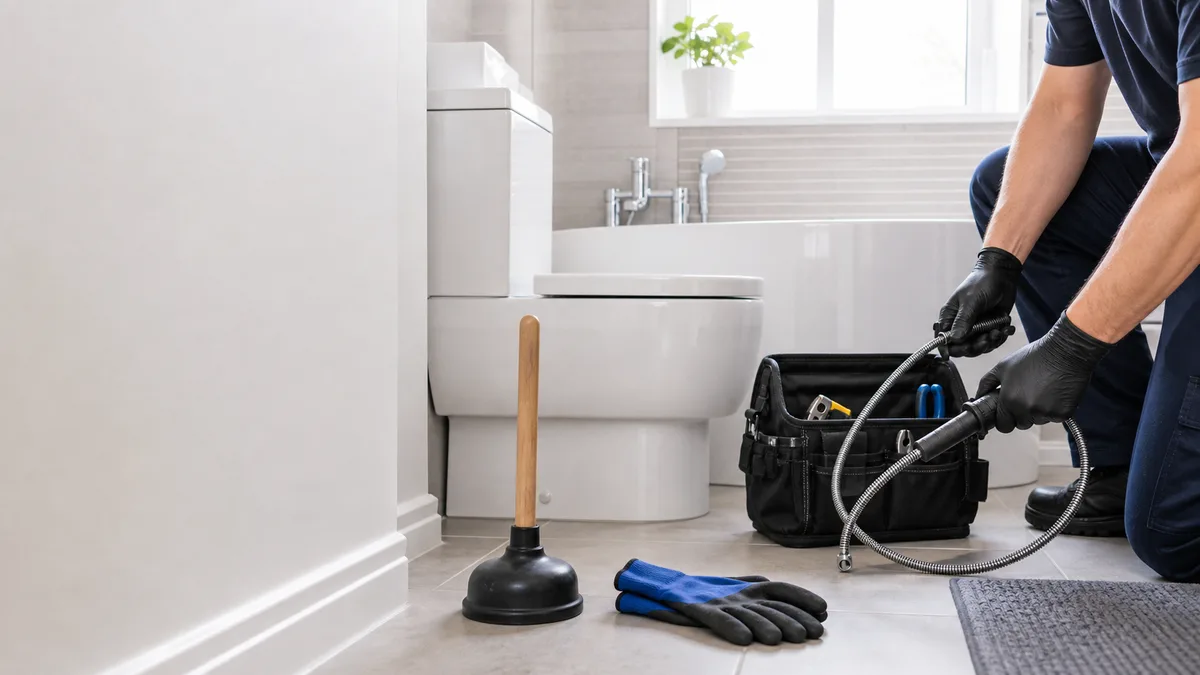
The bath vs shower debate is one of the most persistent in home energy advice. The conventional wisdom — that showers are always more efficient — is usually correct but not universally so. The actual water and energy use depends on the type of shower, its flow rate, and how long you stand under it.
Typical water usage: the numbers
Standard bath: However, a full bath uses approximately 80–150 litres of water. The range depends on bath size and depth preference. Most people fill a standard UK bath (175–250 litre capacity) to around 80–100 litres in practice.
Power shower: Additionally, 15–20 litres per minute. A 10-minute shower uses 150–200 litres — more than a full bath. Power showers use a pump drawing from the hot water cylinder. They produce a high flow rate but use more water and energy as a result.
Standard mixer shower / electric shower: Specifically, 6–10 litres per minute. A 10-minute shower uses 60–100 litres. This is the middle ground — less than a bath for a typical shower duration.
Low-flow shower head / aerated shower head: For example, 4–8 litres per minute. A 10-minute shower uses 40–80 litres. Significantly more efficient than a bath for all but the most water-conservative bathers.
Electric instantaneous shower: As a result, heats only the water used. Typically 8–10 litres per minute. Very efficient in water terms, but the heating element creates a heavy electrical load.
Energy cost comparison
Meanwhile, hot water energy costs depend on:
- Volume of water heated
- Starting temperature (cold water temperature — varies by season and region)
- Target temperature
- Boiler efficiency or immersion heater efficiency
Very rough guide for comparison: Furthermore, - A full bath (90 litres from 15°C to 40°C) costs approximately 16–20p in gas (assuming 85% efficient combi boiler)
- A 10-minute low-flow shower (70 litres) costs approximately 12–16p in gas
- A 10-minute power shower (180 litres) costs approximately 32–40p in gas
- A 10-minute electric shower (8kW, 10 minutes) costs approximately 22p in electricity at 27p/kWh
In particular, the picture for electric showers changed significantly after energy price increases. At current electricity rates, an 8kW electric shower is often comparable in cost to a comparable gas-heated shower.
Impact on drainage
Consequently, the volume of water entering your drainage system directly affects blockage rates in kitchen and bathroom drains. This seems obvious but has practical implications:
Power showers and drainage: Similarly, most 40mm bathroom waste pipes handle a power shower at 18 litres per minute comfortably. However, if the waste pipe has a partial blockage from hair or soap, the high flow rate causes the shower tray to fill and overflow.
Moreover, this is why power showers reveal drainage problems that conventional showers don’t. The shower isn’t causing the blockage — it’s exposing an existing restriction that a lower-flow shower would drain past.
High water temperature and pipe materials: However, power showers draw from the hot water cylinder at the stored temperature (typically 60–65°C). This high-temperature water enters the waste pipe. For plastic waste pipes (UPVC), sustained high-temperature waste water can soften push-fit joints over years. It’s not an immediate failure risk. However, if your power shower connects to plastic waste pipes, set the temperature slightly lower rather than running at maximum.
Drainage sizing for new shower rooms
Additionally, when fitting a new shower room or wet room, the waste pipe sizing must match the shower flow rate:
- Standard mixer/electric shower (6–10 l/min): 40mm waste pipe, minimum 1:40 gradient — standard specification, presents no difficulties
- Power shower (15–20 l/min): A 40mm pipe at 1:40 gradient can carry this flow, but the shower tray must have adequate sump depth (the tray’s ability to hold water briefly if drainage can’t keep up with flow)
- Large format rainfall heads (20+ l/min): Consider 50mm waste pipe, particularly if the waste run is long
Specifically, for wet rooms, the floor drain must be sized for the anticipated flow rate. Standard wet room drains (50mm bodies) handle most shower types. Very high-flow shower heads may require a larger drain body and a 50mm waste pipe.
Water-saving measures
Fitting a flow regulator on the shower head: For example, restricts flow to 6–8 l/min without reducing the perceived quality significantly. A simple, cheap (£5–10) fitting that can halve water usage.
Timed shower: As a result, a 4-minute shower at 8 l/min uses 32 litres — genuinely less than any bath. A simple shower timer keeps usage in this range.
Aerated shower heads: Mix air with water to maintain the perceived flow sensation while reducing actual water volume by 30–50%.
Shower head descaling: Meanwhile, hard water areas see progressive flow reduction as scale builds up in the shower head nozzles. Regular descaling (monthly in very hard water areas) maintains design flow rates and prevents the temptation to increase the flow pressure setting to compensate.