- CCTV survey
- drainage costs
- drain survey
CCTV Drain Survey Cost Guide 2026: UK Price Breakdown
What does a CCTV drain survey cost in the UK in 2026? Real prices, what you get for the money, what affects the quote and what a cheap survey is missing.
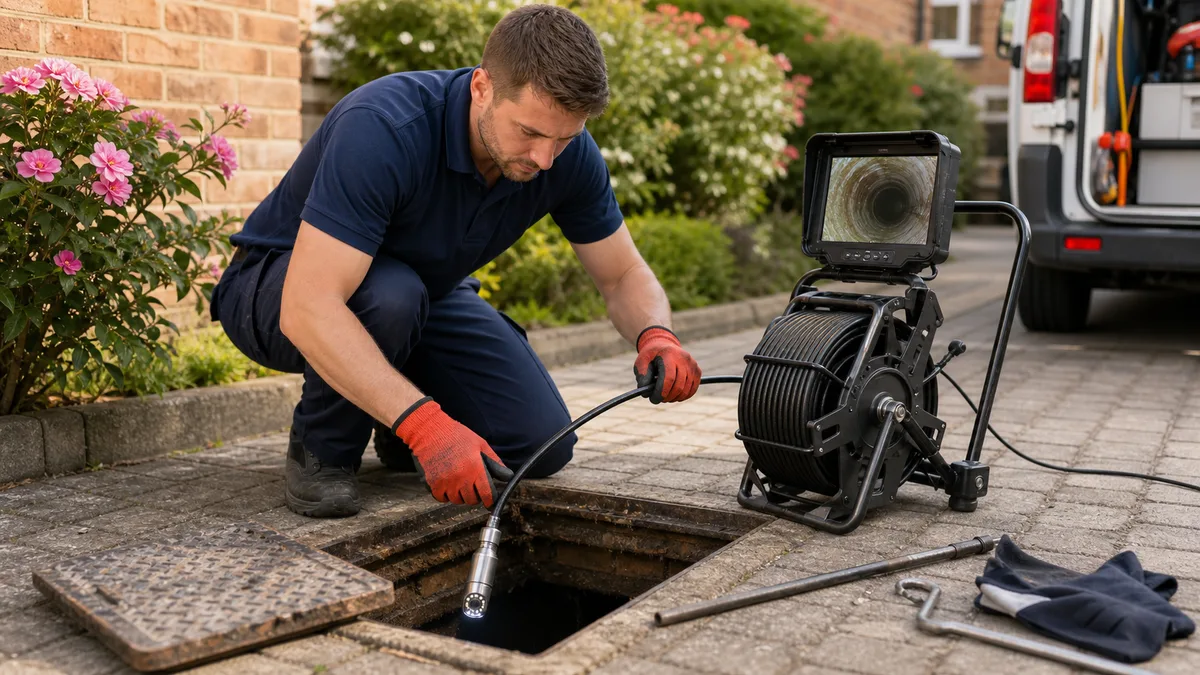
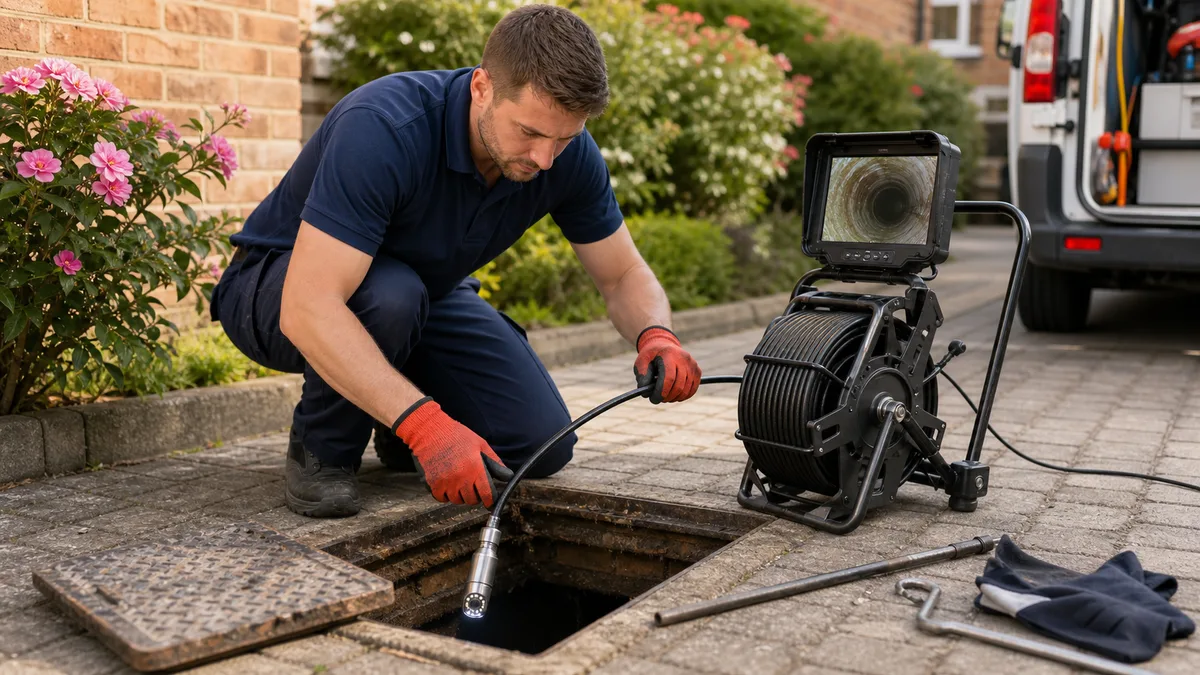
CCTV drain surveys range from around £80 for a basic residential inspection to over £1,500 for a comprehensive pre-purchase survey of a large property. In practice, this wide range reflects real differences in what you actually receive. This guide explains what drives the cost, what you should expect at each price point, and how to spot whether a quote is good value.
Typical price ranges
| Survey type | Typical cost range |
|---|---|
| Basic residential survey, single run, no report | £80–£130 |
| Standard residential survey with written report | £150–£250 |
| Pre-purchase full survey with WinCan report | £200–£350 |
| Large residential or complex property | £300–£600 |
| Commercial property, single drain system | £350–£800 |
| Large commercial or industrial survey | £800–£2,000+ |
These figures cover the survey itself. In addition, if the pipes need jetting before the camera can pass — common for blocked or debris-filled drains — this is usually quoted separately (£80–£200 for domestic jetting). All prices should include VAT at 20%.
What’s included in a standard survey
Camera pass: In practice, a HD camera (typically 60–200m range, depending on equipment) is pushed through the drain from an inspection chamber. The camera records footage continuously throughout the run.
Condition assessment: Specifically, the engineer logs each defect — cracks, displaced joints, root ingress, deformation, infiltration — noting its type, severity, and location measured from the camera entry point.
Written report: A standard report describes each pipe section and the defects found. Each defect gets a severity grade on the WRc scale (D1–D5 for structural faults, F1–F5 for functional) and a repair recommendation.
Footage: Most professional surveys deliver the recorded footage on a USB stick or via download link. In particular, this matters if a defect is later disputed — the footage is your evidence.
What a WinCan report is and why it matters
WinCan is the industry-standard drain survey software used by drainage contractors, local authorities, and water companies. For example, a WinCan-compliant report uses standardised defect codes (so any professional can read it), includes measured locations for every defect, and produces a sorted schedule with the most serious issues first. It can be imported into local authority or water company systems and is accepted by insurers, mortgage lenders, and legal professionals without translation.
A contractor’s letter with verbal descriptions of “some cracking” is not the same thing. Therefore, for conveyancing, insurance, or commercial purposes, specify WinCan compliance before you book.
What affects the price
Length of pipe inspected: Most residential surveys quote up to 30 metres of camera run. Extra length attracts a per-metre supplement. As a result, longer properties, HMOs, and commercial premises with extensive underground drainage cost more.
Pipe diameter: For example, larger pipes (commercial or industrial) need larger camera heads and cost more to survey.
Access: In some cases, older properties have no accessible inspection chamber — they’ve been built over. Creating a new access point adds to the cost.
Pre-survey jetting: In practice, a blocked or heavily silted drain won’t let the camera through until it’s cleared. Jetting is quoted separately when needed.
Report format: A camera pass with no report is the cheapest option. Specifically, a full WinCan report with annotated footage, a condition schedule, and remediation recommendations is the most expensive — and worth the premium for anything beyond a quick diagnostic check.
Urgency and location: Out-of-hours or expedited surveys attract a premium. In addition, London and the south east typically cost more than other regions.
Questions to ask before booking
- Does the survey include a written condition report, and in what format?
- Is the footage included, and how will it be delivered?
- Is the report WinCan-compliant?
- What camera range is included in the base price, and what is the supplement per additional metre?
- Is pre-survey jetting included or quoted separately?
- What defect grading system do you use?
- Is there an additional charge for the engineer to walk me through findings?
A reputable surveyor answers all of these before you book. Anyone vague about report format or footage delivery needs questioning.
What a cheap survey might be missing
In practice, budget surveys (under £100) typically offer a camera pass from one access point with verbal findings or a basic summary document. They suit a quick diagnostic pass when you already know roughly what the problem is, or a basic condition check with no legal or insurance purpose.
In fact, they are not suitable for pre-purchase due diligence, insurance claims, planning drainage works, or complying with a surveyor’s or solicitor’s recommendation.
The cost difference between a basic survey and a full WinCan report is typically £80–£150. In other words, for significant decisions — house purchase, insurance claim, major drainage works — this premium is negligible compared to the cost of acting on incomplete information.
After the survey: interpreting the results
Survey reports can be dense. Focus on these key items:
- D-grades (structural defects): D4 and D5 require prompt attention. D1–D2 are noted for monitoring rather than immediate repair.
- Recommended actions: The report should specify what to do — relining, excavation, or monitor only.
- Inspection limitations: Note what the survey couldn’t reach (blocked sections, inaccessible branches) so you know what isn’t covered.
If the report is unclear, ask the surveying contractor to walk you through the key findings. In fact, a good contractor does this as part of the service.