- home insurance
- drainage claim
- insurance exclusions
- drain maintenance
6 Things That Can Void Your Home Insurance Drainage Claim
Home insurance covers some drainage damage — but claim mistakes and maintenance failures can void your entitlement entirely. Know these 6 risks before you need to claim.
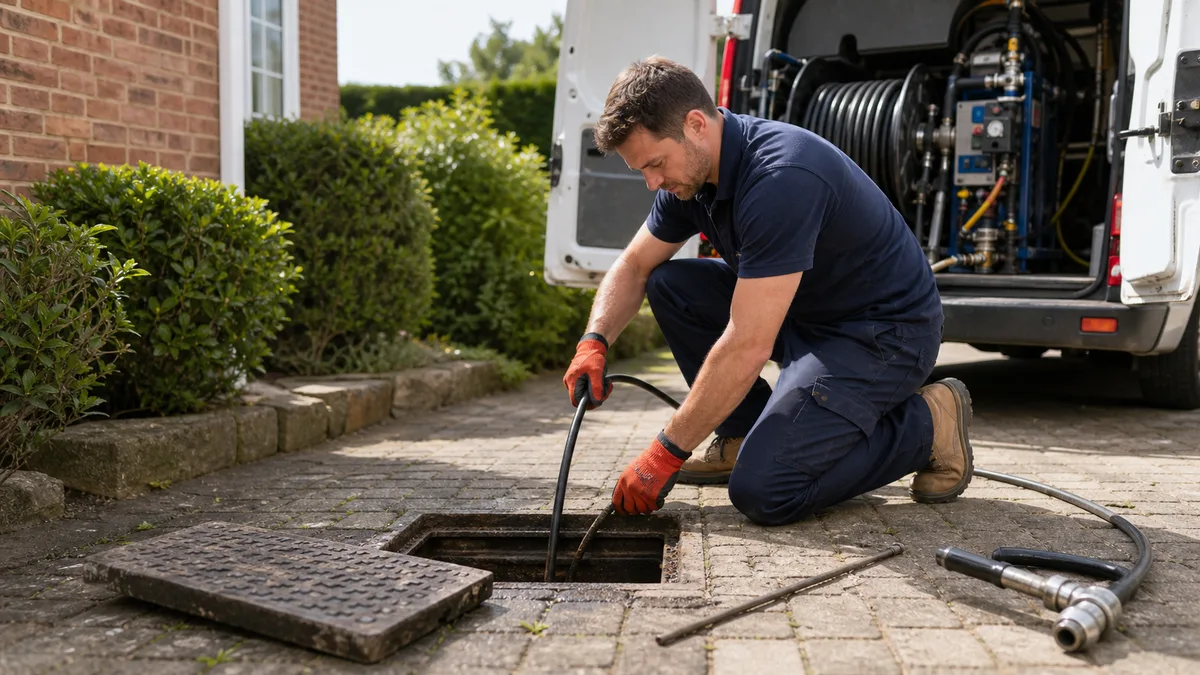
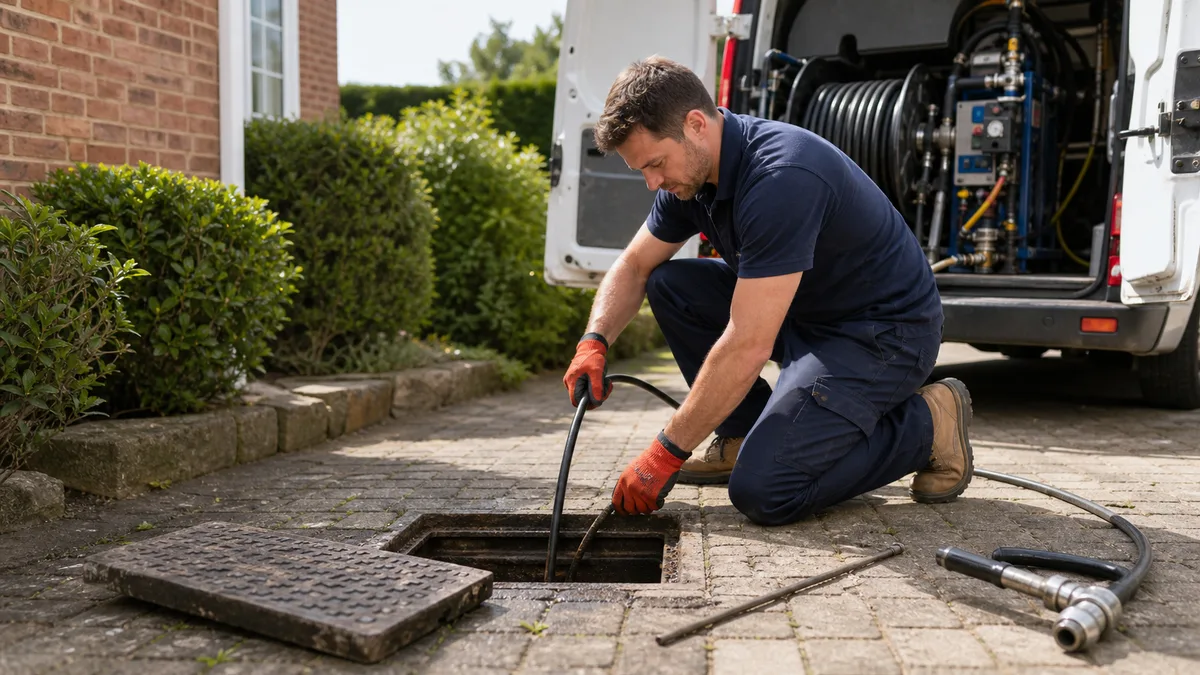
Home insurance policies cover damage caused by sudden and unforeseen events — a burst pipe, a collapsed drain, sewage backup from an external cause. However, they almost universally exclude damage resulting from gradual deterioration, lack of maintenance, or the homeowner’s own actions. Understanding where the line falls prevents a large claim being rejected at the worst possible time.
1. Failing to report a known problem promptly
However, if you were aware of a drainage problem — slow drainage, recurring blockages, sewage smells — and delayed reporting or repairing it, your insurer may argue that the eventual damage resulted from your inaction rather than a sudden event. The legal principle is called “betterment avoidance,” but the practical effect is that slow problems become your liability. Document issues and arrange professional investigation quickly.
2. DIY repairs that failed
Additionally, a repair attempted without professional qualifications can void your cover for subsequent damage from the same issue. If you sealed a cracked drain joint with silicone, and the joint subsequently failed causing soil contamination or structural damage, an insurer will argue that the correct repair was not made. Use qualified drainage engineers for any structural repair to the underground drainage system.
3. No evidence of maintenance history
Specifically, most policies require property owners to maintain drainage “in reasonable condition.” If a claim arises and you cannot demonstrate any maintenance history — no CCTV surveys, no professional clearances, no inspection records — the insurer has grounds to argue the damage arose from negligence rather than a covered event. A planned maintenance contract provides exactly this documentation.
4. The damage arose from roots (where foreseeable)
For example, standard home insurance does not cover damage from root ingress if it was reasonably foreseeable — that is, if you had mature trees in close proximity to drain runs and no survey had been conducted. Some policies explicitly exclude root ingress entirely. Others cover remediation only if the root damage was sudden and previously unknown. A CCTV drain survey before damage occurs establishes the baseline condition and creates an evidence trail.
5. The problem is in the shared sewer (water company responsibility)
As a result of the 2011 Private Sewer Transfer, shared sewers and lateral drains are the responsibility of the relevant water company, not the homeowner. Insurance policies cover the private drain within your boundary — not the shared sewer outside it. If the backing-up or flooding is caused by a blockage in the shared section, the correct route is a report to your water company (Thames Water, Severn Trent, United Utilities, etc.), not an insurance claim. Confusing the two can waste time and delay resolution.
6. Pre-existing conditions not disclosed
Furthermore, if you purchased the property without a drain survey and later discover pre-existing structural defects — collapsed sections, root ingress, deformed pitch fibre — you may struggle to prove these were sudden rather than pre-existing. Insurers are not required to cover damage from conditions that existed when you took out the policy, particularly where a reasonable survey would have revealed them. A pre-purchase CCTV survey both protects you and establishes the drainage condition at acquisition date.
How to protect your claim entitlement
Consequently, the most effective steps are: commission a CCTV drain survey to document current condition, address any D3 or higher defects promptly, keep records of all drainage work, and report new problems to a professional rather than attempting DIY repair. For older properties with pitch fibre, clay, or cast iron drains, proactive maintenance is both good practice and an insurance protection strategy.
For a condition survey or urgent repair, call 0333 772 0123 or book online.