- burst pipe
- emergency plumbing
- water damage
- stopcock
5 Mistakes Homeowners Make When a Pipe Bursts
A burst pipe gives you minutes to act — and the wrong actions make the damage significantly worse. These 5 mistakes are what our emergency plumbers see most often.
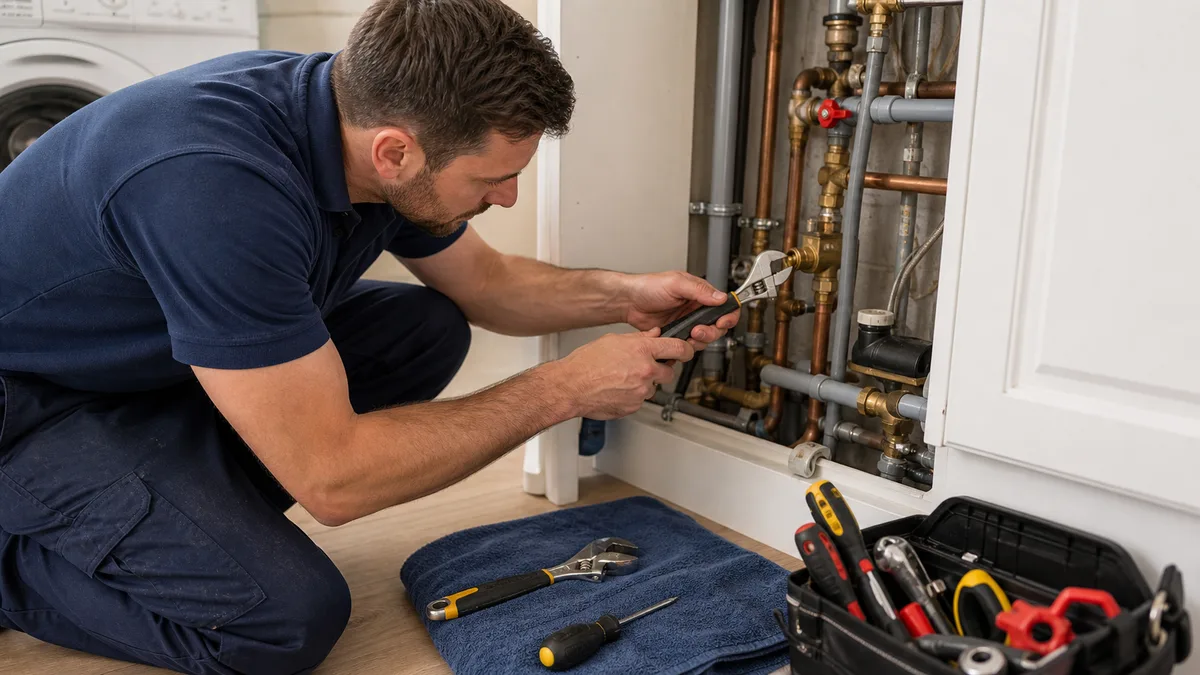
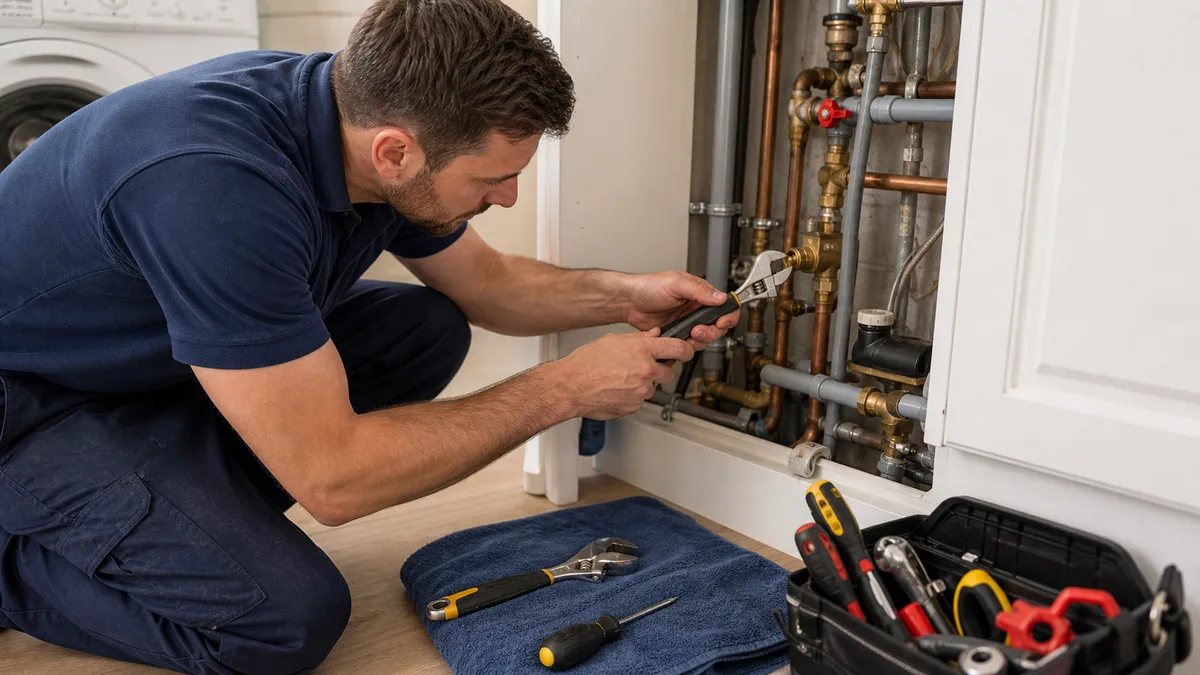
A burst pipe is one of the few plumbing emergencies where the actions taken in the first five minutes have a direct bearing on the scale of the damage. The water coming out of a 15mm domestic supply pipe is under mains pressure — typically 2–4 bar — and flows at 15–25 litres per minute. The longer it runs before isolation, the more water penetrates floors, walls, and ceilings.
Here are the five mistakes that turn a manageable burst into a costly remediation project.
1. Not knowing where the stopcock is before there is an emergency
However, the most damaging mistake happens before the burst occurs: most homeowners have never located their mains stopcock. The stopcock is usually under the kitchen sink, in a utility room, or near the front door. Some properties have an external stop tap under the pavement (requiring a key to operate). When a pipe bursts, every second spent searching for the stopcock is another litre of water discharged into the building.
Action: Find your stopcock now, test that it turns, and photograph its location. Put the photograph in your phone’s contacts under “Emergency Plumber.”
2. Turning the mains back on to “test the repair”
Additionally, a very common emergency plumber callout involves a homeowner who has turned the water off, patched the pipe with tape or sealant, and then turned the water back on to test whether it worked. The patch fails under mains pressure and the pipe discharges again — sometimes into a space that has partially dried out, causing damage to be hidden rather than visible.
Specifically, any burst pipe should be inspected by a professional before the water supply is restored. Emergency plumbers carry compression fittings, push-fit repair sleeves, and the tools to make a proper repair — not a temporary one.
3. Running electricity in a wet area
For example, water from a burst supply pipe or a leaking ceiling spreads further than it appears. Ceiling materials absorb and hold water for hours before releasing it. Switching on lights, appliances, or anything connected to a socket in a wet room before the area has been assessed and declared safe creates an electrocution and fire risk.
Turn off the electricity at the consumer unit (fuse box) for the affected area. If you are not certain which circuit covers the affected area, isolate all circuits in that section. Call the emergency plumber before restoring power.
4. Ignoring secondary water damage
As a result of focusing on the obvious leak point, homeowners often miss secondary damage: water that has run inside walls and soaked insulation, water sitting in subfloor voids, or moisture absorbed by engineered timber flooring. Moisture meters are standard equipment for water damage assessors — they routinely find wet materials that appear dry from the surface.
Consequently, document all affected areas with photographs immediately after isolation. Do not replace flooring, plasterboard, or insulation before a professional assessment. Water damage claims require evidence of the extent, and early documentation supports an insurance claim significantly.
5. Waiting until the next working day for a non-emergency pipe
Furthermore, some homeowners with a burst pipe that has been isolated dismiss it as “sorted for now” and wait until a weekday to arrange repair. However, a property with the mains water isolated is without drinking water, sanitation, heating (if the boiler requires mains pressure), and fire suppression. For a family property, this is a genuine emergency regardless of the time of day.
24/7 emergency plumbers cover burst pipes at all hours. The callout cost is typically lower than the additional damage that occurs from leaving a compromised pipe unfixed overnight in cold weather — when the pipe may freeze and fail again at the repair point or elsewhere in the run.
The right sequence when a pipe bursts
- Turn off the mains stopcock immediately
- Turn off electricity in affected areas
- Turn off the boiler and allow it to cool
- Open all cold taps to drain the system and reduce water in the pipe
- Call 0333 772 0123 for an emergency plumber — available 24/7
- Document the damage with photographs before any cleanup
Similarly, for the complete guide, see what to do when a pipe bursts.