- frozen pipes
- pipe freezing
- winter plumbing
- burst pipes
6 Ways to Protect Your Pipes from Freezing This Winter
Frozen pipes burst — and a burst pipe in a loft or wall can discharge hundreds of litres before you notice. These 6 measures eliminate the most common freeze points.
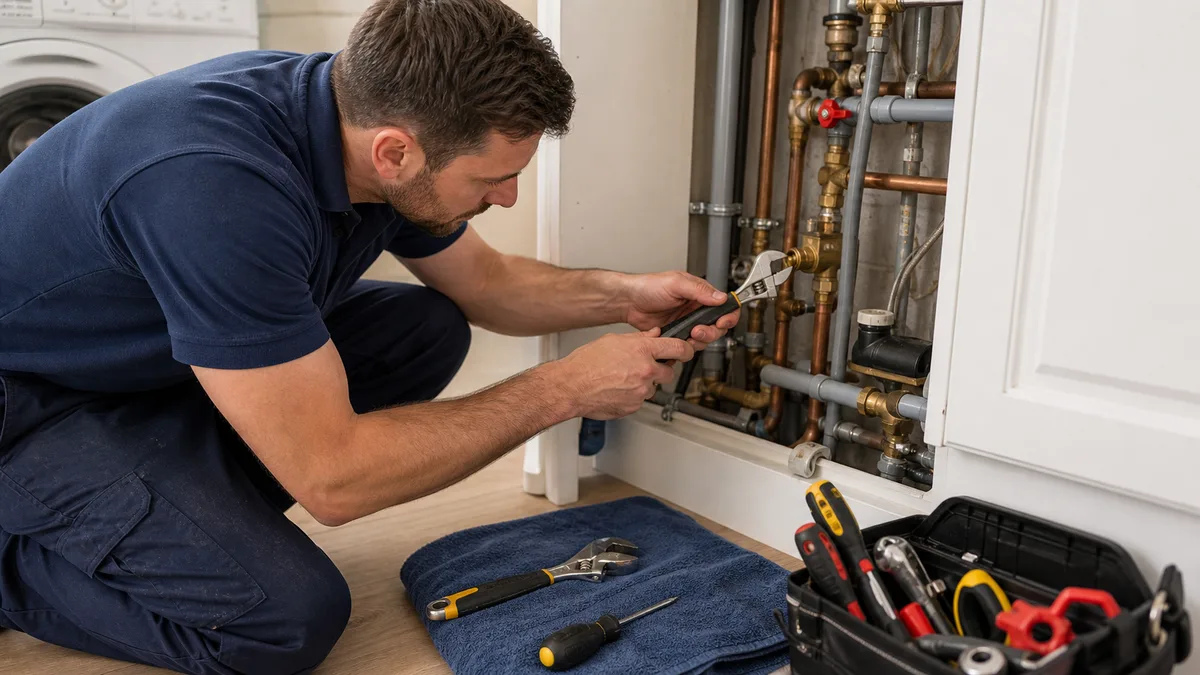
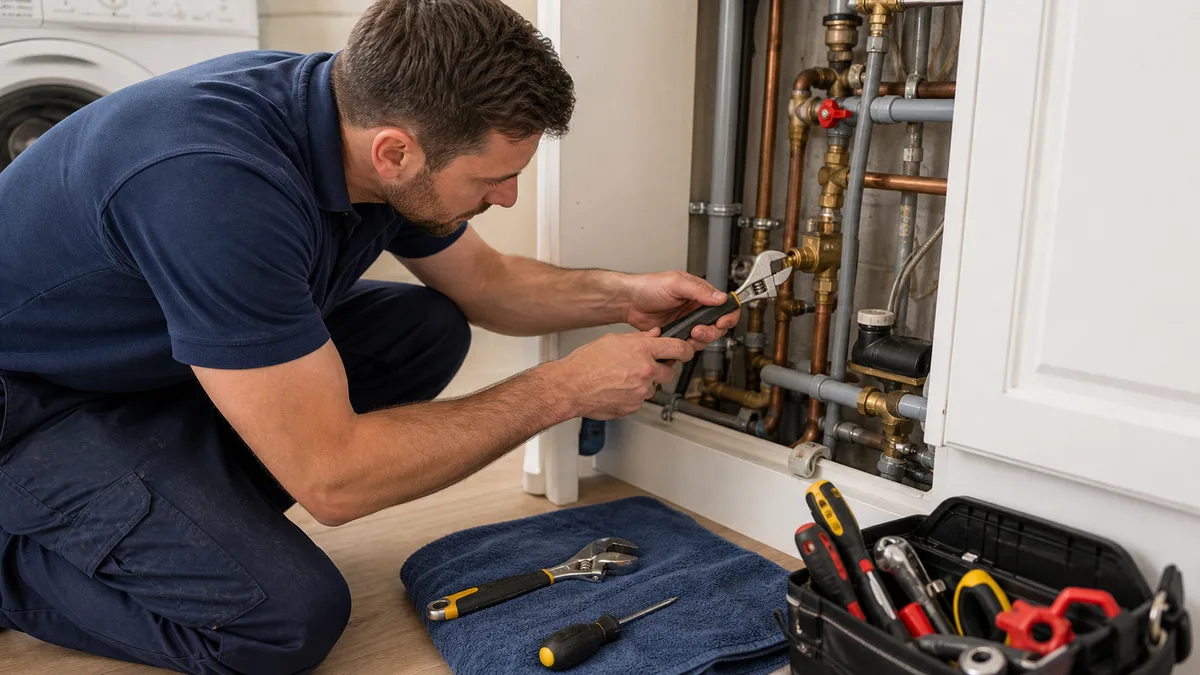
Pipes freeze when the water inside them drops below 0°C for long enough. In the UK, that typically means external air temperatures below −5°C sustained for more than four hours, combined with unheated spaces — lofts, garages, under-floor voids, uninsulated external walls. The result is a burst pipe on thawing: water freezes, expands by 9%, splits the pipe, and then discharges under full mains pressure when the thaw arrives.
The good news is that almost all freeze events are preventable. The following six measures address the most common freeze points in UK residential plumbing.
1. Insulate loft pipework and cold water tanks
However, most heat escapes through the roof. A loft that is well insulated for energy efficiency is cold for pipes — the insulation keeps heat in the living space, not the loft void. Any pipework in an insulated loft should have foam pipe lagging (minimum 25mm wall thickness for exposed loft runs). Cold water storage tanks in the loft should be insulated on the sides and top — but not underneath, so that residual warmth from below can reach the tank.
2. Lag pipes in garages, outbuildings, and unheated spaces
Additionally, any pipe run through an unheated garage, workshop, or outbuilding is at freeze risk. Foam lagging on these runs is cheap and takes 30 minutes to fit. Pay particular attention to the section where the supply pipe enters the building — this is often the coldest point in the run.
Specifically, external stop tap chambers (under the pavement outside the property) are vulnerable during prolonged cold snaps. If your property has one, fitting an insulating bag or stuffing with dry insulation material each autumn reduces the risk of a frozen external stop tap.
3. Keep the heating on a frost setting when away
For example, turning the heating off entirely for a winter absence is the highest-risk scenario. A frost protection setting of 7–10°C maintains enough background warmth in the building to prevent pipes in internal walls and service ducts from freezing. The heating cost over two weeks of absence is significantly less than the excess on a burst pipe insurance claim — and significantly less than the disruption.
This also protects the condensate drain on modern condensing boilers. When the condensate pipe (which runs outside on most installations) freezes, the boiler locks out and cannot provide heating or hot water. See our boiler pressure guide for diagnosis if this occurs.
4. Drip cold taps in very cold weather
As a result of moving water being harder to freeze than static water, leaving cold taps dripping slowly during severe cold weather reduces the risk of freeze in supply pipes. This works best for the kitchen cold tap (which is fed directly from the mains). A drip of one or two drops per second is sufficient — this wastes very little water but maintains enough flow to resist freezing.
5. Know where your stopcock is
Furthermore, no amount of preparation eliminates freeze risk entirely. If a pipe does freeze and then burst on thawing, the stopcock location determines how much water is discharged before isolation. Every adult in the household should know where the stopcock is and how to turn it off. If yours is stiff or the location is uncertain, it should be located and tested before winter, not during it.
For the complete guide to pipe burst response, see what to do when a pipe bursts.
6. Address existing vulnerabilities before the cold season
In particular, if your annual plumbing check reveals any of the following, address them before the first frost: missing lagging on loft pipes, an infrequently used outdoor tap that has not been isolated and drained, a cold water tank with no insulation, or a garage supply pipe with no lagging. Each of these is a low-cost fix when identified in September or October, and a much larger problem when discovered after a freeze event.
If a pipe has already frozen
Consequently, do not use a naked flame to thaw a frozen pipe. Use a hair dryer on low heat, warm (not boiling) water applied to a cloth around the pipe, or a heating cable. Work from the outlet end (tap or fixture) toward the frozen section — not from the middle. If a pipe has burst, isolate at the stopcock first and call 0333 772 0123 for an emergency plumber available 24/7.