- blocked toilet
- flushing
- drain blockage
- sewer
7 Things You Should Never Flush Down a Toilet
Flushing the wrong things is the single biggest cause of preventable toilet and sewer blockages in the UK. Here's what to stop putting down the pan.
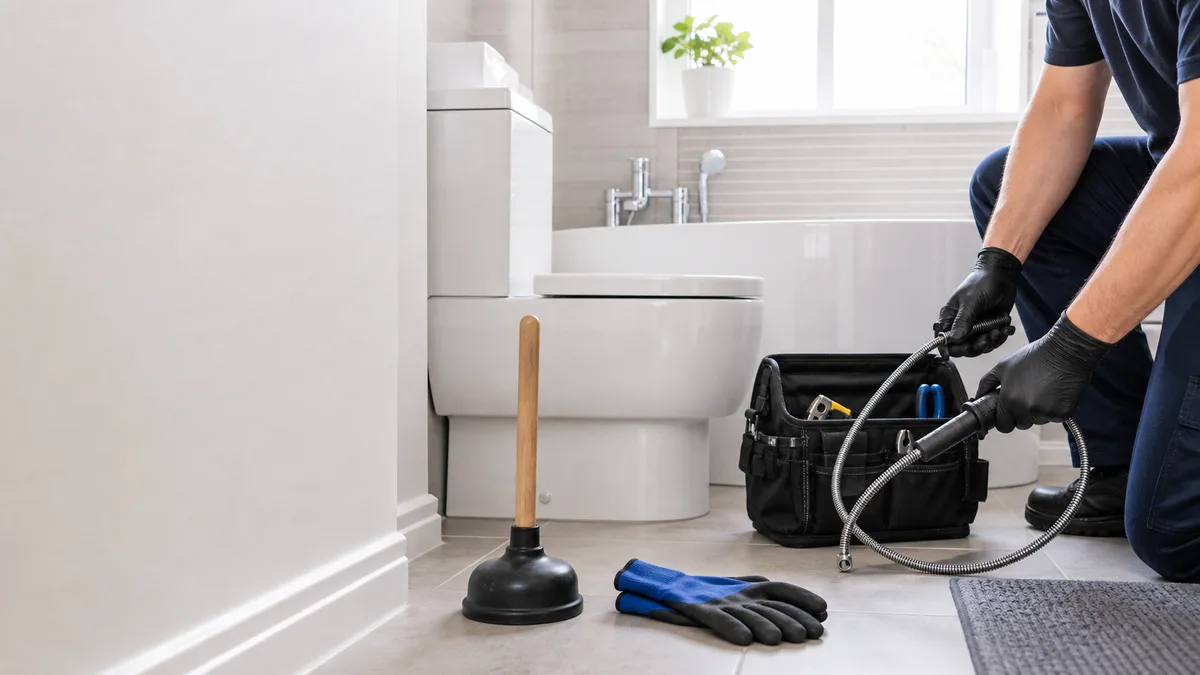
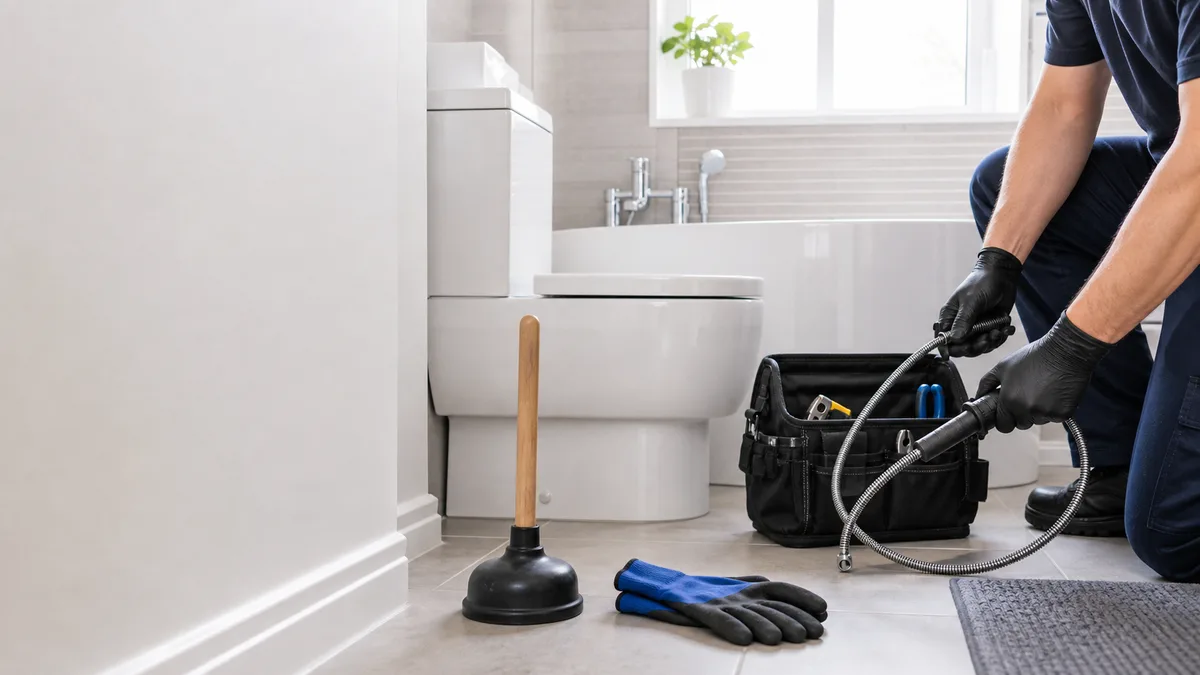
The UK’s sewage infrastructure was designed for three things: human waste, toilet paper, and water. Everything else causes problems — either at the trap, in the stack, in the underground drain, or much further downstream at the sewage treatment works. These are the seven most common offenders that drainage engineers remove from blocked toilets and drains every day.
1. Wet wipes (including “flushable” ones)
However, no wet wipe is truly flushable. The “flushable” label is a marketing claim, not a plumbing standard. Wet wipes are made from synthetic fibres that do not break down in water. They collect at bends and partial blockages and combine with grease to form fatbergs. Water UK estimates that 93% of sewer blockages contain wet wipes. Use a bin — not the toilet.
2. Sanitary products
Additionally, sanitary towels, tampons, and panty liners are designed to absorb and retain fluid. They expand significantly when wet and are completely impervious to breaking down. A tampon applicator can wedge sideways in a 100mm pipe and catch everything that follows it. All packaging clearly states “do not flush” — the instruction is there for exactly this reason.
3. Cotton wool and cotton buds
Specifically, cotton wool balls compress into solid plugs when wet. Cotton bud sticks (particularly plastic ones) are rigid enough to wedge at joints and act as collection points for toilet paper and grease. Bathroom bins exist precisely for these items.
4. Nappies and incontinence pads
For example, nappies contain superabsorbent polymer gel that swells to many times its dry size when it contacts water. A flushed nappy will almost certainly cause an immediate, complete blockage in the toilet waste pipe. This is one of the most common causes of emergency toilet unblocking callouts.
5. Cooking fat and grease
As a result of widespread awareness, most people no longer pour cooking fat down the kitchen sink — but some still pour it down the toilet, thinking the cold water of flushing will carry it away. It does not. Fat solidifies in the cooler drain downstream and binds with the other items on this list to form blockages that require high-pressure jetting to remove.
6. Medication
Furthermore, flushing medication is an environmental hazard, not a blocked drain issue — but it belongs on this list because it is so commonly done. Pharmaceuticals pass through sewage treatment largely unchanged and enter the water supply. The NHS recommends returning unused medication to a pharmacy for safe disposal.
7. Paper towels, kitchen roll, and tissues
In particular, toilet paper is specifically manufactured to disintegrate rapidly in water. Kitchen roll, paper towels, and facial tissues are not. They are designed to stay intact when wet. Even a small number of paper towels can combine with other debris to create a partial blockage. If toilet paper is unavailable, put alternatives in a bin.
What to do if you’ve already flushed something you shouldn’t have
Consequently, if a blockage has formed, stop using the toilet and call a drainage engineer. Repeated flushing to clear a partial blockage compresses the material and makes professional clearance harder. Most blockages from flushed objects require mechanical removal or high-pressure jetting rather than chemical treatment.
For an immediate assessment, call 0333 772 0123 or book online.