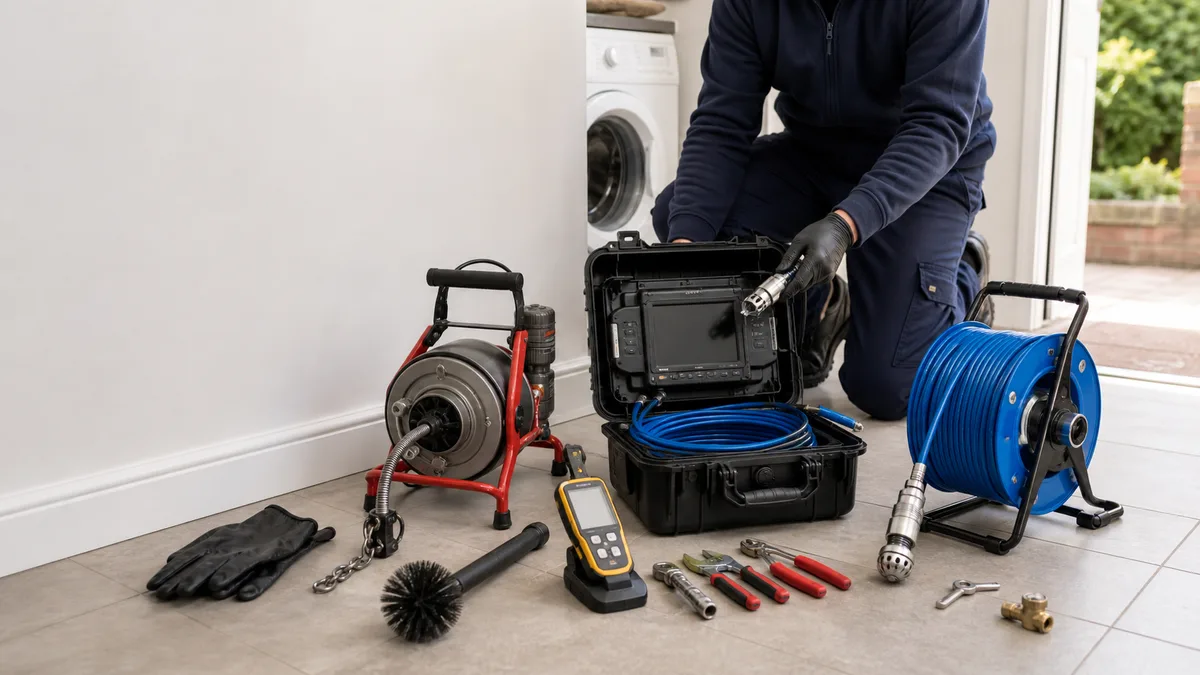
Drain Jetting in Reading
Reading's dense residential neighborhoods—particularly the HMO-heavy areas of RG1 and RG2—place exceptional strain on aging drainage systems. Restaurants across Reading's commercial districts generate grease-laden wastewater that accumulates in Victorian clay drains. Managing drain blockages reactively costs far more than preventative maintenance in Reading. Regular jetting, grease trap servicing, and quarterly inspections protect landlords and business owners from costly emergency repairs and Wokingham Council enforcement notices.
Drain maintenance in Reading prevents blockages in HMOs, restaurants, and rental properties. Victorian pipes in RG1 and RG2 require quarterly jetting and inspection. Regular grease trap servicing protects Reading businesses from Thames Water enforcement. Preventative maintenance costs far less than emergency repairs.
Drainage in Reading — what local engineers know
Reading's commercial sector and high-density HMO housing create predictable drain stress. Thames Water's maintenance standards for Reading businesses are strict; blockages in RG1 postcodes (city centre) or RG2 (residential high-density) incur enforcement action if repeated. Wokingham Council requires landlords to maintain compliant drainage. Victorian clay pipes beneath Reading restaurants accumulate mineral deposits and grease residue, narrowing bore by up to 40% annually. Modern PVC systems in newer Reading properties still require quarterly grease trap servicing. HMOs in Reading (RG2, RG3) with 5+ occupants generate rapid accumulation. Preventative contracts prevent blockages, service disruption, and council notices.
- Hard water supply causes limescale accumulation in boilers, radiators and soil pipe joints — powerflush and descaling demand is high across Reading
- Separate sewer system across most of Reading: misconnections (e.g. washing machines plumbed into surface water drains) are a known local issue and can result in environmental enforcement action
- Ageing infrastructure in parts of Reading means drain blockages from grease, wipes and root ingress remain the most common call-out reasons
- With 28% of properties built before 1920, salt-glazed clay drainage and lead-solder copper pipework are common — pipe collapse, root ingress and joint failure are recurring call-out drivers.
What happens when you call us in Reading
- 1 Immediate dispatch. We find the nearest available engineer covering RG1/RG2 and confirm the ETA before the call ends.
- 2 On-site diagnosis — no guessing. The engineer inspects using professional-grade equipment including CCTV where needed and quotes a fixed price before work starts.
- 3 Job complete, report issued. You receive a written completion report. All work is guaranteed — same fault returns within the guarantee period, we come back free.