Drains Cleared
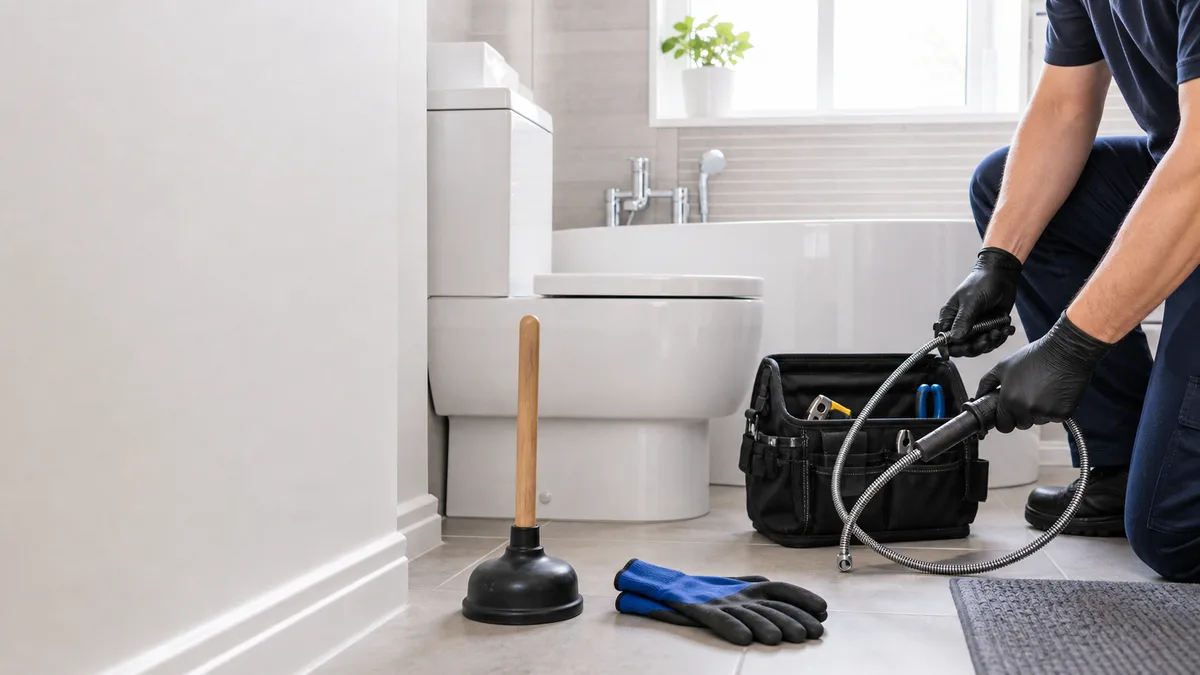
Clean bathroom drainage tools prepared for a blocked toilet callout

Toilet Repairs and Installation in Reading: Period and Modern Systems

We clear 90% of blocked toilets without lifting the pan — saving the sealant, tile damage and extra labour most plumbers charge for. Serving RG1, RG2, RG3, RG4.
RG1RG2RG3RG4
0333 772 0123
We route to vetted local engineers covering RG1, RG2, RG3 and RG4 with a 60-minute response target for drain emergencies across Reading and the surrounding area.

Blocked Toilets in Reading

Reading's housing mix—18% Victorian terraces, 10% Edwardian, 26% modern—requires toilet expertise spanning high-level cisterns, two-piece suites, and integrated systems. From RG2's densely packed Victorian rows to RG4's newer estates, properties face distinct plumbing configurations. Quick repair or full replacement keeps Reading homes functioning smoothly.

Reading toilet repairs and installation handle Victorian high-level cisterns, Edwardian low-level systems, and modern dual-flush suites across RG1-RG4. Victorian and Edwardian properties require specialist knowledge of porcelain cisterns and external piping. Thames Water's hard water accelerates seal wear. Installation costs range £350-900 for replacement suites, repair work £80-250.

Drainage in Reading — what local engineers know

Wokingham Council oversees a diverse Reading housing stock where Victorian properties in RG2 and RG3 often retain original or replaced cast-iron soil pipes. Edwardian homes (RG1, RG4) typically have porcelain high-level cisterns prone to arm erosion and seal failure. Thames Water's hard water accelerates wear on rubber seals and ball valves throughout Reading. Modern properties (post-1990, mostly RG4) use dual-flush systems requiring different service knowledge. The town's separate sewer system means misconnections involving toilet drainage must be identified and rectified by qualified staff.

  • Hard water supply causes limescale accumulation in boilers, radiators and soil pipe joints — powerflush and descaling demand is high across Reading
  • Separate sewer system across most of Reading: misconnections (e.g. washing machines plumbed into surface water drains) are a known local issue and can result in environmental enforcement action
  • Ageing infrastructure in parts of Reading means drain blockages from grease, wipes and root ingress remain the most common call-out reasons
  • With 28% of properties built before 1920, salt-glazed clay drainage and lead-solder copper pipework are common — pipe collapse, root ingress and joint failure are recurring call-out drivers.

What happens when you call us in Reading

  1. 1 Immediate dispatch. We find the nearest available engineer covering RG1/RG2 and confirm the ETA before the call ends.
  2. 2 On-site diagnosis — no guessing. The engineer inspects using professional-grade equipment including CCTV where needed and quotes a fixed price before work starts.
  3. 3 Job complete, report issued. You receive a written completion report. All work is guaranteed — same fault returns within the guarantee period, we come back free.

About drainage in Reading

Local facts our engineers use when they arrive.

Population
229,274
Postcode districts
RG1RG2RG3RG4
Council
Wokingham
Water authority
Thames Water
Flood risk
Low — affected watercourses: River Thames, River Kennet, River Loddon
Property mix
Victorian 18%
Edwardian 10%
Interwar 20%
Postwar 26%
Modern 26%
Sewer type separate
Common local issues
Hard water supply causes limescale accumulation in boilers, radiators and soil pipe joints — powerflush and descaling demand is high across ReadingSeparate sewer system across most of Reading: misconnections (e.g. washing machines plumbed into surface water drains) are a known local issue and can result in environmental enforcement actionAgeing infrastructure in parts of Reading means drain blockages from grease, wipes and root ingress remain the most common call-out reasonsWith 28% of properties built before 1920, salt-glazed clay drainage and lead-solder copper pipework are common — pipe collapse, root ingress and joint failure are recurring call-out drivers.

This information helps our engineers arrive prepared.

Illustrative example of typical work

High-Level Cistern Overhaul in RG2 Victorian Terrace—Seal and Float Valve Replacement

Area:
Reading
Service:
Blocked Toilets

A 1890s Victorian home in RG2 had a ceramic high-level cistern with corroded brass inlet valve and deteriorated float arm, causing continuous refill and water waste. Replacement of the arm assembly and rubber seals restored normal operation, saving the Reading homeowner £200+ annually in water charges. The 130-year-old cistern remains in service.

This describes typical work performed by engineers in our network. Names and specific details have been omitted to protect customer privacy.

Blocked Toilets in Reading — FAQs

What type of toilet is most common in Reading's Victorian and Edwardian homes?
Victorian Reading properties (RG2, RG3) predominantly feature high-level cisterns mounted on walls with external pipes and pull chains, or later low-level seat-mounted cisterns from the 1920s-50s. Edwardian homes (RG1, RG4) typically have two-piece suites with external cisterns. Both are prone to seal and ball-valve failure due to hard water mineral buildup from Thames Water.
Why do Reading toilet seals fail faster than in other UK regions?
Thames Water's hard water (270-300 mg/L mineral content) accumulates mineral deposits on rubber seals and ball valves in Reading toilets. Victorian and Edwardian properties in RG2-RG4 often have aging cisterns with original or 20+ year-old seals. Every 8-10 years, seals typically require replacement to prevent leaks and water waste.
Why does my toilet keep blocking?
The three most common causes are non-flushable wipes, excessive paper use, and partial blockages downstream in the soil pipe that need jetting rather than plunging.
Can you fix a Saniflo or macerator?
Yes. We service and repair all major macerator brands including Saniflo, Sanivite and Grundfos, and carry common replacement parts on the van.
Will I have to remove the toilet?
Almost never. We use closet augers and micro-jetting heads that clear the vast majority of blockages through the pan itself.
Is a blocked toilet dangerous?
It can be. Overflowing waste water carries bacterial contaminants, so a prolonged blockage should always be treated as urgent, especially in commercial premises.

Blocked Toilets near Reading

We cover towns within and around Reading. Click a town to see local engineer availability.

Ready to book in Reading?

We route to vetted local engineers covering RG1, RG2, RG3 and RG4 with a 60-minute response target for drain emergencies across Reading and the surrounding area.

0333 772 0123